
Terminal Short: What It Is, How It Works, and When to Avoid It
Ever watch a stock that looks broken and think it might never recover? That is where a terminal short tempts traders. A terminal short means holding a short position while aiming for the stock to slide near zero or even get delisted. The lure is simple: if the company collapses, the payoff can be huge. The danger is bigger. Losses on a short are unlimited, costs stack up while you wait, and surprise news can send price flying.
This guide explains what a terminal short really is, why traders try it, and the risks that can crush accounts. You will also get a clear decision framework, safer alternatives, and step-by-step management and exit tips. This is educational content, not advice. Use it to think clearly and protect your capital.
Terminal Short Explained: What It Is and How It Works
Short selling is simple to understand. You borrow shares from your broker, sell them, then buy them back later at a lower price. You return the shares and keep the difference as profit. If the stock rises, you have to buy back higher, which means a loss.
A terminal short is a specific style of short. You hold during the late-stage decline, hoping for bankruptcy, delisting, or a final collapse. It is not a quick trade on a pullback. It is riding the downtrend for that last leg lower. Traders place these bets when they believe the business is damaged beyond repair.
There are myths to clear up. A stock does not always go to zero, even in bankruptcy. Bankruptcy can take months, and shares often bounce during the process. Even delisting does not guarantee a straight line down. Prices can pop on rumors, buyout chatter, or short covering.
Traders consider terminal shorts when clear catalysts are in play:
- Alleged fraud or accounting problems.
- Failed flagship product and no path to revenue.
- Debt deadlines with no cash to pay.
- Broken business model with shrinking customers and rising costs.
These signals can be real, but they do not promise a smooth decline. Shares can spike on any hint of good news or on simple short squeezes. If you want a grounding in the basics and risk profile of short selling, review Short Selling: The Risks and Rewards and the overview of what a short position is.
Why Traders Try Terminal Shorts
- Clear downtrend, bad news keeps hitting, confidence in the bear case grows.
- The payoff looks big if the price collapses.
- The thesis feels defined. There are obvious catalysts and time windows.
Quick example: Short 100 shares at 10. If the stock drops to 1, you buy back for $100 after selling for $1,000. Profit is $900 before fees and borrowing costs. The math is neat on paper, which is why this setup attracts risk-takers.
Mechanics You Must Know Before You Short
- Borrowing shares: Your broker locates shares for you to sell. No borrow, no short.
- Hard-to-borrow: Some tickers are scarce; borrowing them costs more.
- Borrow fees: You pay a daily fee to borrow, quoted as a yearly rate.
- Interest: If you use margin, you pay interest on borrowed funds.
- Margin: Borrowed money boosts size and risk at the same time.
- Recall: The lender can ask for their shares back. Your broker can force you to cover.
- Changes happen fast: Fees, borrow availability, and rules can shift day to day.
For a friendly breakdown of the main risks, see this plain-language guide on short selling risks and rewards.
The Zero Myth and Bankruptcy Reality
- Many stocks bounce on the way down. Short covering alone can lift price.
- Bankruptcy is a process, not instant zero. Court timelines run long.
- Trading halts can lock you in. You cannot exit during a halt.
- Restructures can keep shares trading, or lead to a new equity class later.
Real Risks: Why Terminal Shorts Can Blow Up Accounts
Terminal shorts carry oversized risk. Losses are not capped. Borrow costs drag on profits. News hits can gap price up when you are sleeping. If you trade small caps or troubled names, your stock can get halted or go hard-to-borrow overnight. These are not edge cases. They are common.
Keep your risk language simple: how much can I lose if this moves against me right now?
Unlimited Loss and Squeeze Risk
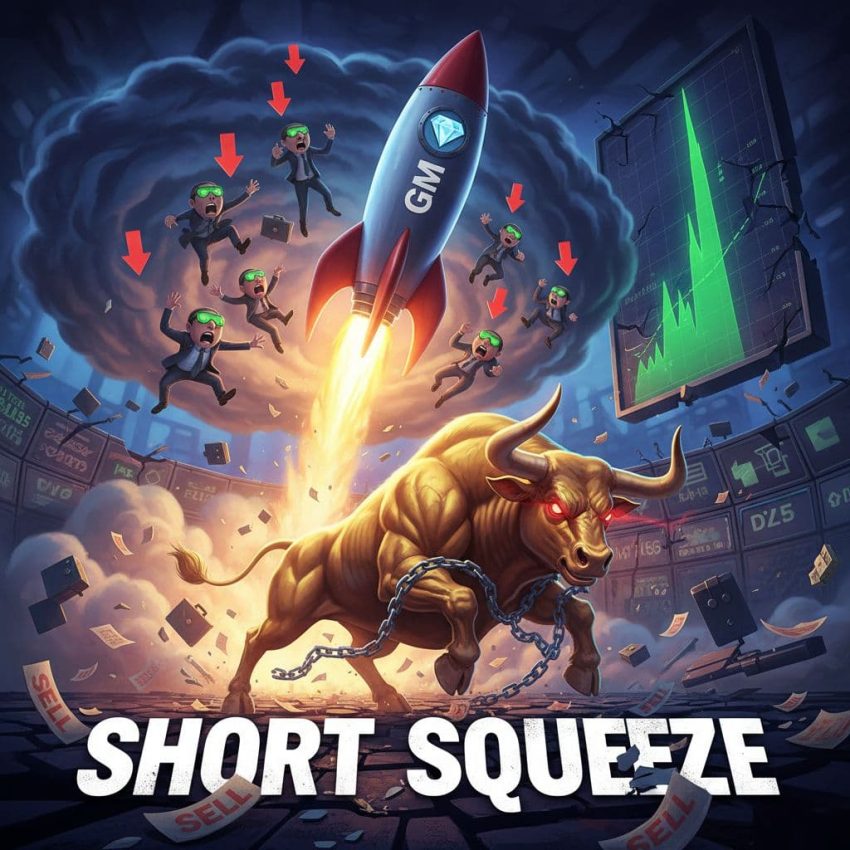
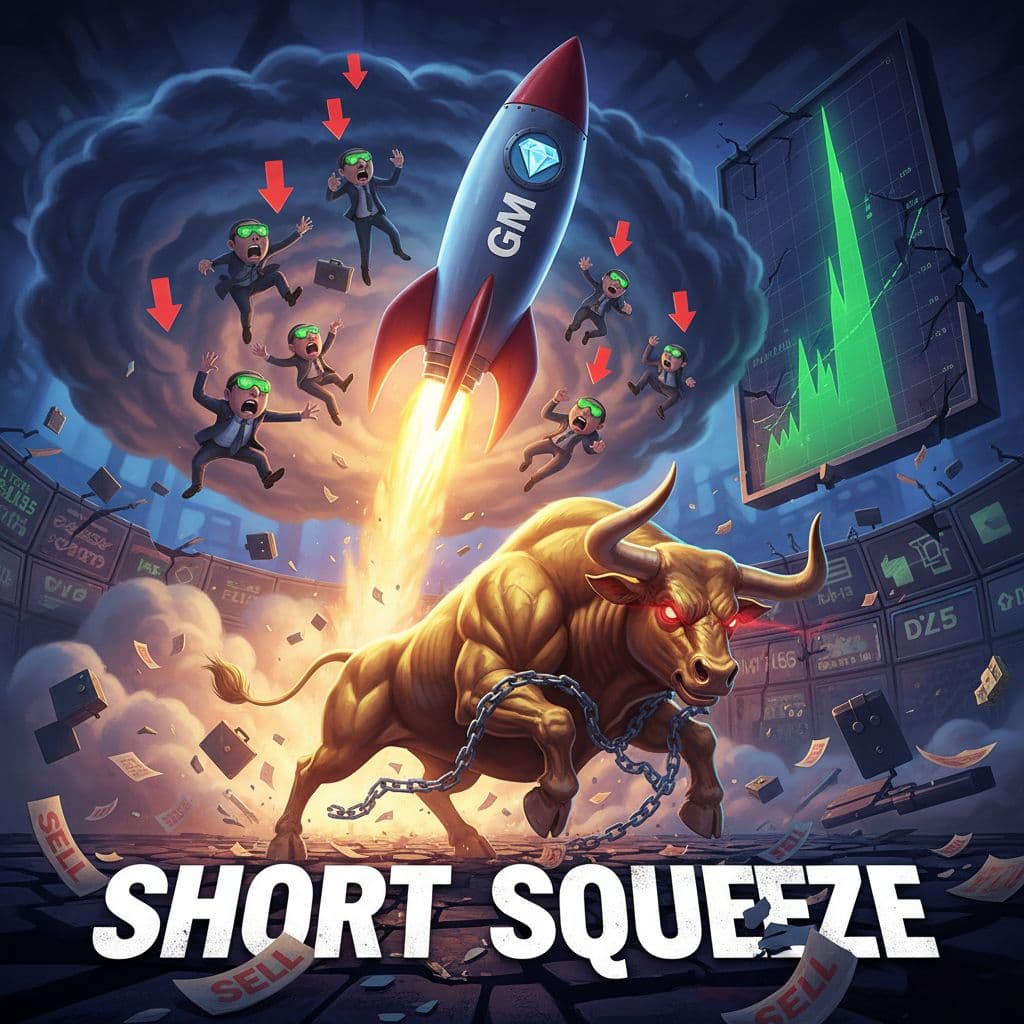
A stock can rise without limit. That means a short can lose more than 100 percent. A short squeeze happens when many shorts rush to buy back as price rises. That buying pushes price up even faster.
Example: You short at 2. A surprise update drops after hours. The next morning, it opens at 6. Covering costs triple what you planned. That jump can erase weeks of gains in minutes. To see price risk explained clearly from a broker’s lens, read The Risks of Shorting: Price Risk.
Borrow Fees, Recalls, and Forced Buy-Ins
Borrow fees add up quietly. If the annual borrow rate is 40 percent on a $10,000 short, you are paying about $11 a day, and more if the rate spikes. Hold long enough, and the meter eats your edge.
A recall means the lender wants their shares back. If you cannot replace the borrow, your broker may force a buy-in at market prices. Shorts also owe dividends. If a dividend or special dividend is declared, the short pays it. That can be a nasty surprise.
Halts, Low Liquidity, and SSR
Trading halts freeze your position. You cannot exit while halted, and price may reopen far from your stop. Low liquidity brings wide spreads. You can see a good price on your screen, then get filled much worse.
SSR, or the short sale rule, turns on after a 10 percent drop in one day. You can only short on an uptick, which can delay both entries and covers. In fast drops, that delay matters.
Margin Calls and Overnight Gaps
A margin call is your broker saying your equity is too low. You must add cash or close positions. Overnight gaps jump over stop orders. You planned to cover at 12, but the open is 15.
Example: Short 1,000 shares at 4. You plan to stop at 5. Bad news for your thesis hits. It gaps to 6. You are down $2,000 more than planned, and your margin cushion shrinks. That is the pain of terminal shorts in one line.
Should You Risk a Terminal Short? A Simple Decision Framework
Use a checklist to keep your head clear. The goal is not to be brave. The goal is to be consistent.
- Thesis: Is there a real catalyst, or just vibes?
- Timing: Is the next event soon, or months away?
- Liquidity: Can you enter and exit without slippage wrecking your math?
- Borrow: What is the current borrow rate and availability?
- Risk point: Where is your invalidation?
- Target: Where do you scale out?
- Cost clock: How long can you hold before fees eat your edge?
Avoid all-or-nothing bets. Focus on setups with defined edges and clear exits. For a broad primer on shorting basics and risks, skim this plain overview: Shorting a Stock: An Overview + Risks To Know.
Risk-Reward Math You Can Do in Minutes
- Current price: 4
- Target: 2
- Invalidation or pain point: 6
- Potential gain per share: 2
- Potential loss per share: 2
Add basic probabilities. Say you think there is a 40 percent chance it hits 2, and a 60 percent chance it tags 6 first. Expected value per share equals (0.4 x 2) minus (0.6 x 2) which is negative 0.4. That is a pass.
Flip the odds or tighten the stop, and recalc. Keep the math simple and honest.
Position Size and Safety Buffers
- Risk 0.5 to 1 percent of your account per trade.
- Size so a sudden 30 to 50 percent pop does not trigger a margin call.
- Use alerts and hard stops. Do not average up on a short while price rises.
Simple sizing example: Account $25,000. Max risk 1 percent equals $250. If your stop is $1 away, you can short 250 shares. If spreads are wide or halts are common, cut that size.
Safer Alternatives: Options and Hedged Plays
- Buy puts to cap risk. Max loss is the premium you pay.
- Use bear put spreads to lower cost.
- If you still short shares, consider a small call hedge to cover squeezes.
Quick example: Stock at 4. You buy a 3 strike put for 0.50. If price drops to 2, the put is worth about 1, a 100 percent gain. If you are wrong, you lose 0.50, not your whole account.
Case Study: Shorted 500 Shares at 20, Now It Is 2. Do You Hold or Cover?
You shorted 500 shares at 20. Proceeds were $10,000. Now price is 2. Buying back costs $1,000. Gross profit is $9,000 before costs. Say borrow fees and interest total $400 so far. Net sits near $8,600.
Now weigh the forward risks:
- Borrow rate could spike if shares get scarce.
- Recall risk rises as the float shrinks.
- News risk: a court update or rescue rumor can pop price to 3 or 4.
- Liquidity can dry up, making exits harder.
Two practical plans:
- Take most profit, leave a runner: Cover 400 shares here and lock roughly $7,200 net. Keep 100 shares short with a hard stop at 3. If it dumps further, great. If it squeezes, your worst case on the runner is defined.
- Bank it all: Cover all 500, record the trade, and wait for a fresh setup with lower fees and tighter timing.
Both choices protect gains. Greed says hold for zero. Discipline says pay yourself and reduce risk.
How to Manage and Exit a Short Without Losing Sleep
Good management turns stress down and results up. Think in three stages: before entry, during, and exit. Keep steps short and repeatable.
Plan Before You Enter
- Define catalyst and timing.
- Check borrow availability and cost now, not later.
- Choose entry zone and invalidation level.
- Map targets and scale-out points.
- Set a time limit. Stale shorts are fee traps.
- Note news risks and known dates.
- Write it down and set alerts on key levels.
Smart Exits: Scale-Outs and Hard Stops
- Scale out into weakness. Take partials on flushes.
- Use bracket orders when possible.
- Place a hard stop above the nearest key level.
- Do not wait for the perfect bottom. Perfection is expensive.
- If the thesis stalls, use a time stop. No progress means less edge.
Track Costs Daily
- Check borrow rate each day. Record it.
- Watch for dividends or special dividends.
- Note hard-to-borrow status changes.
- Rising fees can flip a winner into a loser if you hold too long.
- Keep a quick daily journal: price, borrow rate, thesis status, plan for tomorrow.
For a broad refresher on short risks and margin realities, this primer is helpful: Short Selling: The Risks and Rewards.
Mindset: Discipline Beats Drama
- Keep size small enough that you stay calm.
- Pre-commit to rules on stops, adds, and exits.
- Do not chase after a squeeze. Step back, reset, and trade the next plan.
- Protect capital first. You cannot trade if you are out of the game.
Conclusion
Terminal shorts can pay, but the risks and costs move fast and cut deep. The case study shows the real lesson: protect gains and avoid greed. If you are new, consider defined-risk tools like puts or small spreads, and keep your share shorts small. Always write your plan, size tight, and respect stops. Your best edge is consistency, not hero trades.
This content is for education only. It is not financial, legal, or tax advice. Do your own research and consider talking with a licensed professional before making trading decisions.